

Best Braces Cost in Delhi 2026: Metal, Ceramic & Aligners
June 18, 2026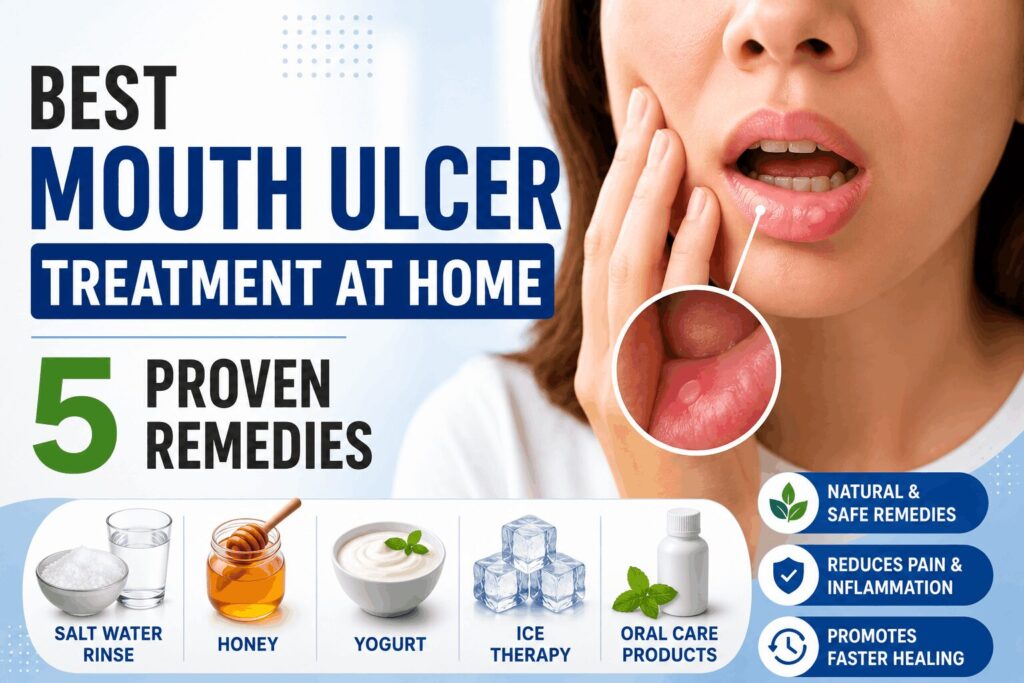
Mouth ulcer treatment at home can help reduce pain and support healing when the ulcer is small and uncomplicated. Salt-water rinses, protective oral gels and avoiding spicy or sharp foods may provide relief.
However, if a mouth ulcer keeps returning, becomes unusually painful or does not heal within two to three weeks, it should be examined by a dentist.
In this guide, Dr. Rohit Sharma explains the five home remedies dentists actually recommend, the remedies you should avoid, and the warning signs that mean it’s time to visit a dentist.
Ganpati Dental Clinic has been taking care of Delhi’s smiles for 17 years. We have branches in Shalimar Bagh and Rohini, so you’re never far from help.
What Is a Mouth Ulcer? (And Why You Have One)
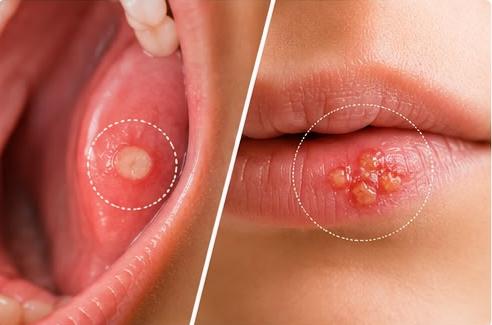
Before we jump to fixes, let’s understand what’s actually happening inside your mouth. A mouth ulcer is basically a small open sore on the soft tissue inside your mouth. Your body created it—usually as a reaction to an injury, irritation, or infection. The sore gets infected with bacteria, swells up, turns white or yellow in the center, and becomes painful. It’s your mouth’s way of saying, “Something bothered me, and I’m fighting back.” But not all mouth sores are the same. Let’s break down the types you might be dealing with.
Canker Sores vs. Cold Sores: What’s the Difference?
Canker Sores (Aphthous Ulcers):
These appear inside your mouth—on your inner cheek, lips, gums, or tongue. They have a white or yellow center with a red halo around them. The worst part? They’re incredibly painful, even though they’re usually small. But here’s the relief: they’re NOT contagious. You got them from trauma (accidentally biting your cheek, sharp food, stress) or a minor infection. They typically last 7–14 days and heal on their own.
Cold Sores (Herpes Simplex Virus):
These are fluid-filled blisters, usually on your lips or the edge of your mouth. Unlike canker sores, cold sores ARE contagious—they spread through kissing or sharing food. They’re caused by a virus, which is why they’re harder to treat and can come back. They also hurt like crazy and take longer to heal (10–14 days, sometimes longer).
Gum Ulcers:
These appear on your gums and are often deeper than canker sores. If you have a gum ulcer, it might mean gum disease or a serious infection. These need a dentist’s attention sooner rather than later. For this guide, we’re focusing on canker sores—the most common type. The remedies and prevention tips will help you manage them fast.
Common Causes in Delhi/NCR (Why You Specifically Got One)
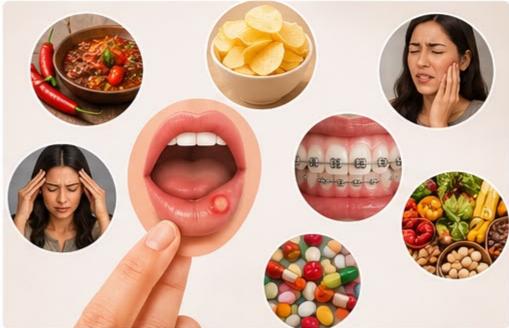
You didn’t wake up with a mouth ulcer for no reason. Something triggered it. Here are the most common culprits, especially here in Delhi:
Trauma from Sharp Food
In Delhi’s chaat culture, sharp food is everywhere. Nachos, chips, hard pretzels, and even the sharp crystals in chaat masala can accidentally cut your inner cheek or gum. The cut gets infected, and boom—ulcer. If you eat quickly or while stressed, you’re even more likely to accidentally bite your cheek.
Spicy Food Triggering Inflammation
Let’s be honest: Delhi food is spicy. Mirch, chaat, street food, even chai sometimes feels like it’s burning your mouth. If you have a tendency toward mouth ulcers, spicy food will inflame the area and make ulcers more likely. Some people’s mouths are just more sensitive.
Nutritional Deficiency
If you’re getting ulcers every 3–4 weeks, your body might be short on B12, folate, or iron. This is more common than people realize, especially if you skip breakfast (guilty, Delhi professionals?). A simple blood test can check this.
Stress and Irregular Meal Timings
Your immune system is connected to your stress levels and eating schedule. When you’re stressed or skipping meals, your body can’t fight off minor irritations as well. Ulcers pop up as a result. Delhi’s fast-paced work culture means a lot of people fall into this trap.
Hard Water and Mineral Buildup
Delhi’s water is mineral-heavy. Some people’s mouths react to the minerals in hard water, causing irritation and ulcers. It’s not a major cause, but it’s worth noting.
Mouth Breathing and Dryness
If you breathe through your mouth (especially in Delhi’s dry winters), the soft tissue in your mouth dries out faster. Dry mouth is more prone to ulcers. Winter dryness makes this worse.
Accidental Cheek Biting
When you’re stressed or eating quickly, you might bite your cheek without realizing it. The small wound gets infected, and a few hours later—ulcer.
Mouth Ulcer Treatment at Home: 5 Safe Remedies
Now, let’s talk about what actually works. I’ve ranked these by how effective they are, based on what Dr. Rohit sees working in his clinic day after day.
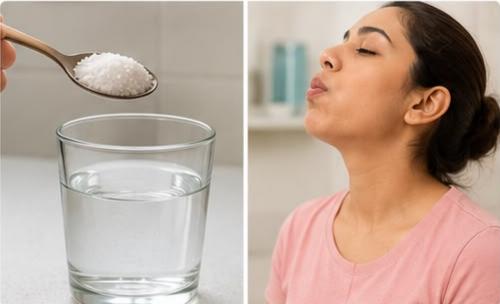
Remedy 1: Salt Water Rinse (80% Effective for Minor Ulcers)
How to Do It:
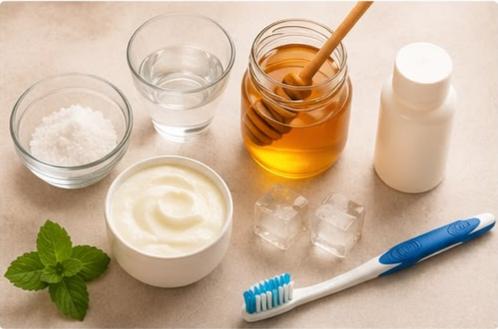
Mix 1/2 teaspoon of salt in 1 cup of warm water. Stir until the salt dissolves. Rinse your mouth gently with this mixture 2–3 times a day—after meals and before bed. Don’t rinse more than 3 times daily; over-rinsing can actually dry out the ulcer and slow healing.
Why It Works:
Salt is antimicrobial, which means it kills bacteria. It also reduces inflammation and creates a cleaner environment for the ulcer to heal. When you rinse with salt water, you’re basically giving your mouth a gentle cleaning while fighting infection at the same time.
What Dr. Rohit Says:
“Salt water rinse is solid for prevention and maintenance, especially if you do it regularly. But if the ulcer is already large or very painful, don’t rely on salt water alone. Combine it with something stronger.”
Timeline:
You should see improvement by day 3–4. The pain should decrease, and the swelling should go down. Complete healing usually happens by day 7–10.
Cost:
₹0. You already have salt at home.
Pro Tip: Make sure the water is warm, not hot. Hot water can irritate the ulcer further.
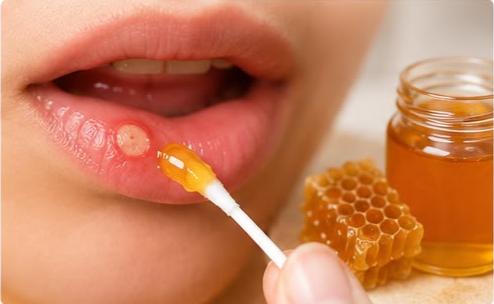
Remedy 2: Topical Honey (60% Effective for Pain Relief)
How to Do It:
Apply raw honey (not the refined, processed kind) directly onto the ulcer 2–3 times daily. Use your clean finger or a cotton swab. You can do this right after meals or before bed.
Why It Works:
Honey has natural antimicrobial and anti-inflammatory properties. It soothes pain, reduces swelling, and creates a protective coating over the ulcer. Honey also has enzymes that help speed up healing.
What Dr. Rohit Says:
“Honey works, no doubt about it. But it’s sticky and messy. A lot of patients find it inconvenient, and the stickiness can trap food particles, which makes things worse. Modern topical pastes are cleaner and faster.”
Timeline:
Honey reduces pain by day 2–3, but it doesn’t significantly speed up healing. You’ll feel better, but the ulcer might still take 10–14 days to disappear completely.
Cost:
₹50–100 if you need to buy honey. If you already have it, free.
When to Skip It: Avoid honey if you have severe swelling or a very deep ulcer. The stickiness can trap bacteria, making infection worse.
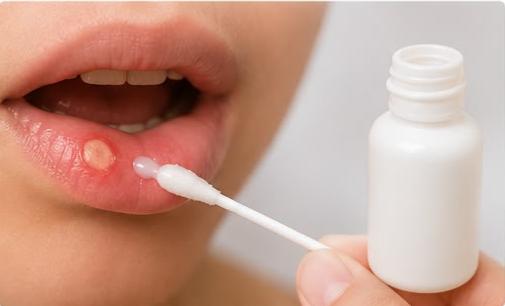
Remedy 3: Milk of Magnesia (70% Effective for Coating & Healing)
How to Do It:
Apply milk of magnesia with a cotton swab directly onto the ulcer 3–4 times daily. You can also use it as a rinse: mix a small amount in water and swish gently.
Why It Works:
Milk of magnesia coats the ulcer protectively, shielding it from bacteria and irritants. It also neutralizes acids in your mouth, creating a healing environment. Plus, it’s gentle—it doesn’t irritate the ulcer further.
What Dr. Rohit Says:
“This is a solid remedy that most patients overlook. People think it’s old-school because it’s not ‘natural’ or trendy. But honestly, it works faster than salt water or honey. In my 25 years of practice, I’ve recommended milk of magnesia to hundreds of patients, and the results are consistent.”
Timeline:
Pain relief by day 1–2. Complete healing by day 5–7. That’s significantly faster than other home remedies.
Cost:
₹30–50. Available at any chemist or medical shop in Delhi/NCR.
When to Skip It: Skip turmeric if you have important meetings coming up. Your teeth will be stained yellow for 2–3 days after application, and it looks odd.
Remedy 4: Ice (NOT RECOMMENDED by Dentists)
How It’s Used: People hold ice chips against the ulcer for 2–3 minutes to numb the pain.
Why It Seems to Work: Ice deadens the nerve endings around the ulcer, so you don’t feel pain for a while. Temporary numbing feels like progress, so people think ice is helping.
What Dr. Rohit Says: “Ice is a painkiller, not a healer. It does NOT speed up healing. In fact, ice reduces blood flow to the area, which DELAYS healing. If your goal is to get rid of the ulcer fast, avoid ice.”
Timeline: Ice numbs the pain for 15–30 minutes. Once it wears off, pain returns. No long-term benefit.
Cost: ₹0 (free).
Better Alternative: Use a topical anesthetic paste (benzocaine-based) instead. These are available at any medical shop for ₹100–150. They numb the pain AND don’t delay healing like ice does.
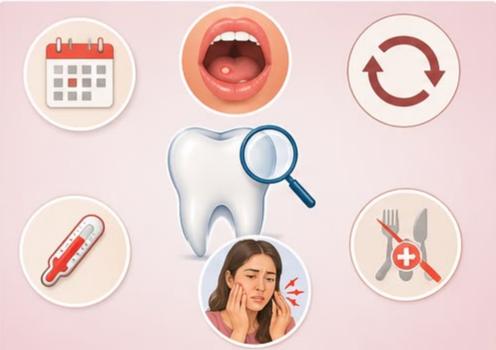
Remedy 5: Avoid Spicy, Acidic and Sharp Foods
How to Do It:
For a few days, avoid spicy food, citrus fruits, tomatoes, chips, nuts and very hot food or drinks. Choose soft foods such as curd, paneer, bananas, eggs and khichdi. Drink enough water throughout the day.
Why It Helps:
Spicy, acidic and sharp foods can repeatedly irritate the ulcer and increase pain. Avoiding these foods protects the affected area and allows it to heal without further injury.
Timeline:
This may reduce irritation and discomfort immediately. Most minor mouth ulcers heal naturally within one to two weeks.
Cost:
₹0. This only requires temporary changes to your food choices.
Pro Tip:
Let hot food and drinks cool down before consuming them. Chew slowly to reduce the risk of accidentally biting the cheek again.
Remedies That DON’T Work (Dentist Myth-Busting)
People swear by these, but Dr. Rohit says skip them. Here’s why:
Vigorous Salt Water Rinse
Rinsing too hard or too often damages healthy tissue around the ulcer and slows healing. Keep it gentle, 2–3 times daily max.
Mouthwash with Alcohol
Commercial mouthwashes are too harsh. The alcohol burns and irritates the ulcer, making it worse. Skip it while you have an ulcer.
Chewing Raw Garlic
Garlic is antimicrobial, but it’s too strong. It irritates the ulcer and can cause infection instead of preventing it.
Applying Toothpaste
Most toothpaste is too acidic and abrasive. It irritates the ulcer and delays healing. Avoid it.
Aloe Vera Gel
While aloe works for skin burns, the mouth is different. Aloe gel can upset your stomach if swallowed, and it doesn’t heal mouth ulcers as effectively as other options.
When Should You See a Dentist?
Most cases of a mouth ulcer heal on their own within 7–14 days. However, some ulcers require professional examination. Here is how to identify the warning signs.
The 10-Day Rule
Days 1–3: Expected pain and swelling. Home remedies should start reducing the swelling by day 3. If pain is unbearable, see a dentist sooner.
Days 4–5: The ulcer should be visibly smaller. Pain should decrease noticeably. If it’s getting larger instead of smaller, that’s a red flag.
Days 6–7: The ulcer should almost be gone or completely healed. If it’s still large and painful, something’s wrong.
Day 7+: If there’s no improvement or it’s getting worse, book a dentist appointment immediately.
Here’s something important Dr. Rohit wants you to know: when a mouth ulcer is fully filled with fluid, it sometimes bursts on its own. Don’t panic. This is actually normal. The fluid is just your body’s immune response. After it bursts, the ulcer typically heals faster.
Red Flags Requiring Immediate Dentist Visit
Fever or Swollen Lymph Nodes
If you have fever or swollen lymph nodes in your neck or jaw, the ulcer might be infected. This needs antibiotics.
Severe Pain That Painkillers Don’t Touch
Normal ulcer pain is uncomfortable but manageable. If painkillers don’t help at all, it might be a different condition.
Pus or Discharge from the Ulcer
This is a sign of infection. You need a dentist to drain it and possibly prescribe antibiotics.
Ulcer Larger Than 1 cm and Lasting 1+ Weeks
Large ulcers that don’t heal might be something more serious than a simple canker sore. Get it checked.
Multiple Ulcers Appearing Simultaneously
If you suddenly have 3, 4, or 5 ulcers at once, it’s not random trauma. This usually indicates a nutritional deficiency or an autoimmune condition. You need a blood test.
Cost of Dentist Visit in Delhi/NCR
Consultation: ₹200–500 This includes an examination and advice on treatment.
Topical Prescription Paste: ₹200–400 If a home remedy isn’t working, a dentist can prescribe a stronger topical treatment.
If Recurrent (Blood Test + Investigation): ₹1,500–2,500 total If you get ulcers frequently, you’ll need tests to check for nutritional deficiencies. This is where you identify the root cause.
Good News: Ganpati Dental Clinic has convenient branches in Shalimar Bagh and Rohini, so you’re never far from help.
Preventing Recurrent Mouth Ulcers (Dr. Rohit’s Protocol)
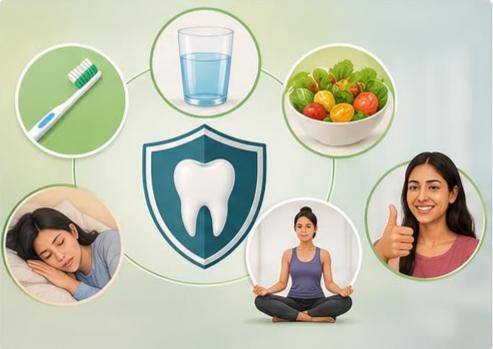
A recurring mouth ulcer may be linked to repeated dental trauma, stress, dietary triggers or nutritional deficiencies. If you’re getting ulcers every month or every few weeks, something in your lifestyle or nutrition is creating the conditions for them. Here’s how to stop the cycle.
Rule 1: Watch Your Diet
Avoid spicy food, acidic foods (citrus, tomato), and hard/sharp foods (nuts, chips, nachos). In Delhi’s spicy food culture, this means: reduce street chaat, limit mirch powder, and avoid very hot foods. When you have an active ulcer, stick to soft, cool foods like yogurt, paneer, eggs, and bananas. Here’s another thing: dehydration is a major culprit for ulcers. Drink plenty of water. If you’re dehydrated, your mouth dries out, and dry mouth gets ulcers more easily.
Rule 2: Don’t Skip Meals
Eating on an irregular schedule stresses your immune system, which makes ulcers more likely. A weak immune system can’t fight off irritation as effectively. In Delhi’s professional culture, skipping breakfast and surviving on chai is common. Don’t do it. Your mouth—and your whole body—needs fuel. Eat protein and iron-rich foods daily.
Rule 3: Check for Nutritional Deficiencies
If ulcers recur every 3–4 weeks like clockwork, you probably have a B12, folate, or iron deficiency. Cost of Blood Test: ₹300–500. Your doctor can order a simple blood test to check your levels. Once you know what’s deficient, supplements are cheap and available everywhere. This alone can stop recurrent ulcers. One of Dr. Rohit’s patients had ulcers every 3 weeks for 5 years. After fixing a B12 deficiency, he hasn’t had an ulcer in 3 months.
Rule 4: Manage Stress
Stress directly increases ulcer recurrence. Your immune system gets weaker when you’re stressed. Sleep 7+ hours, exercise, manage work deadlines. If you’re a Delhi professional dealing with high stress, be extra careful about skipping meals—ironically, stress makes people skip meals, which then triggers ulcers.
Rule 5: Smooth Sharp Dental Edges
If you always get ulcers in the same spot on your cheek or gum, there’s probably a sharp edge on a tooth or filling causing repeated trauma. Dr. Rohit can smooth this in 10 minutes (₹300), and you’ll never get ulcers in that spot again. This simple fix solves a lot of recurrent ulcer cases.
Patient Story 1: “The 3-Week Nightmare” – Priya Verma’s Journey

Patient: Priya Verma, 28, Marketing Executive, Rohini, Delhi
Priya woke up one morning with a painful white sore on her inner cheek. She’d never had a mouth ulcer before, so she didn’t know what to do.
Within 2 days, it grew larger and became so painful she couldn’t eat solid food. She Googled “mouth ulcer treatment” and found 50+ conflicting remedies. Salt water, honey, turmeric, ice, milk of magnesia—every article said something different. Every article said “usually heals in 1–2 weeks,” but Priya was terrified. Was it cancer? An infection? She didn’t sleep well that night.
“I tried salt water rinse for 3 days, but it got worse,” Priya said later. “Then I used honey from my kitchen, but it didn’t help. I even tried turmeric paste—tasted horrible and stained my teeth. By day 5, the ulcer was still there, with slight swelling in my lower jaw. I was scared to eat anything hot or spicy, which meant no chai, no street food—basically, no life in Delhi. I thought about calling a dentist but didn’t want to waste money on ‘just a mouth sore.'”
On day 6, Priya’s colleague mentioned her dentist at Ganpati Dental Clinic in Rohini and said, “They explain everything clearly and don’t push unnecessary treatments.” She finally booked an appointment with Dr. Rohit Sharma.
Dr. Rohit’s Diagnosis:
Dr. Rohit examined Priya’s ulcer and asked key questions: “When did it start? Did you bite your cheek? Any sharp food? Are you stressed?”
He explained: “Priya, this is a traumatic ulcer—probably caused by you accidentally biting your cheek while eating something hard or sharp. Your immune system is fighting the irritation. The remedies you tried (salt water, honey) are okay for mild ulcers, but let me show you a more targeted approach.”
Dr. Rohit then:
- Showed her the ulcer on a screen, explaining the inflammation in simple terms she could understand
- Recommended a specific topical paste (mucosal protectant) available at any chemist for ₹150–200
- Advised: “Salt water rinse is fine, but use it sparingly—not more than 3 times daily, as it can dry the area. Honey is too sticky; skip it.”
- Shared a stat: “In my 25+ years, I’ve seen hundreds of mouth ulcers. 90% heal in 7–10 days with the right approach. Yours should heal by day 10–12.”
- Gave her a printout of foods to avoid (spicy, acidic, hot) and foods to eat (soft, cool, protein-rich like yogurt, egg, paneer)
- Most importantly: “If it doesn’t improve in 10 days, or if it gets larger, call me immediately.”
Cost & Resolution:
Consultation: ₹500. Topical paste recommendation: ₹150–200 (chemist). Total: ₹650–700.
Priya was relieved—she expected to pay ₹3,000+.
By day 9, her ulcer was almost gone. By day 12, it had completely healed. She posted a story on Instagram saying, “Finally got my chai and chaat back!” Within 2 weeks, she booked a teeth cleaning (scaling) and is now a regular patient who comes in every 6 months.
Patient Story 2: “The Recurring Nightmare” – Arun Kumar’s 5-Year Journey
Patient: Arun Kumar, 35, Chartered Accountant (CA), Shalimar Bagh, Delhi
Arun has suffered from mouth ulcers every 3–4 weeks for the past 5 years. He’s tried everything: salt water, turmeric milk, honey, coconut oil, even homeopathy. Nothing works. As soon as one ulcer heals, another appears 1–2 weeks later.
He’s exhausted, frustrated, and convinced something is seriously wrong with him.
“I’ve seen at least 4 different doctors—2 general physicians and 2 dentists—and no one could give me a clear reason,” Arun said. “One doctor said it’s a vitamin deficiency, another said it’s stress-related (which is ironic, since worrying about the ulcers IS the stress). I’ve spent ₹5,000+ on various treatments over 5 years, and nothing has stuck. I even tried avoiding spicy food for a month, but the ulcers still came back. At this point, I thought maybe it’s just genetic—something I have to live with.”
Arun’s wife saw a social media post about Dr. Rohit Sharma’s expertise and suggested he visit Ganpati Dental Clinic in Shalimar Bagh for a comprehensive evaluation instead of just treating the ulcer symptomatically.
Dr. Rohit’s Approach:
Dr. Rohit didn’t just look at the current ulcer—he took a thorough history:
- Frequency and pattern: “Arun, you always get them on the inner cheek, rarely on the gum. That’s not random.”
- Nutritional screening: “Do you eat balanced meals? Any deficiencies in B12, folate, or iron?”
- Stress markers: “Your work hours are irregular. Are you skipping meals? Drinking lots of chai on an empty stomach?”
- Dental trauma check: “Do you have sharp edges on your teeth? Any habits like cheek-biting when stressed?”
Dr. Rohit’s Diagnosis:
“Arun, you likely have recurrent aphthous ulcers (RAU), which are hereditary. Some people’s mouths are just more prone to them. But here’s what we can do: First, let’s rule out a B12 deficiency with a blood test (₹300–500). Second, I noticed you have a slightly sharp edge on your lower left molar. That’s probably traumatizing your cheek. Let’s smooth that (₹300, 10 minutes). Third, let’s work on stress management and meal timing—no skipping breakfast, no empty-stomach chai.”
The Solution:
Arun got a blood test (mild B12 deficiency confirmed). Dr. Rohit polished the sharp edge during a quick 10-minute appointment. Arun committed to eating on time and reducing chai.
Within 2 months of B12 supplementation (₹1,500–2,000 for 3 months), behavior changes, and the dental smoothing, Arun’s ulcer frequency dropped dramatically—from every 3 weeks to every 2–3 months. The ulcers also healed faster (5–7 days instead of 10–14).
He’s now maintaining his B12 levels and hasn’t had an ulcer in 3 months.
Total cost of solution: ₹3,000–3,200 for a comprehensive approach—compared to ₹5,000+ over 5 years with zero results.
Why Choose Ganpati Dental Clinic?
Dr. Rohit Sharma – 50,000+ Patients, 25+ Years of Oral Care
Dr. Rohit has treated 50,000+ patients for oral health issues. Most recurrent ulcers are fixable, not genetic. He’s deeply familiar with ulcer recurrence patterns, nutritional links, and prevention.
Two Convenient Locations
Shalimar Bagh Branch: BH 480 East Shalimar Bagh, Delhi
Rohini Branch: A4/259 Sector 28, Rohini, Delhi 110042
No long commute means you’re more likely to book follow-up appointments and stick with a prevention plan.
Cost Transparency
Consultation: ₹200–500
Topical recommendation: ₹200–400
If Investigation Needed: ₹1,500–2,500 total
For additional evidence-based information about mouth ulcers, you can refer to:
Conclusion
Mouth ulcer treatment at home is usually suitable for small and uncomplicated ulcers, but it should not replace a dental examination when the ulcer is persistent or recurrent. Most mouth ulcers are preventable and healable. The right remedy—applied early—can have you back to eating chai and chaat in days, not weeks. Don’t wait 10 days hoping it goes away. Don’t waste money on remedies that don’t work. And definitely don’t skip meals to avoid pain. If your mouth ulcer hasn’t improved by day 10, or if it keeps coming back every month, book a consultation at Ganpati Dental Clinic. We’ll investigate the root cause and create a prevention plan. You deserve a mouth that doesn’t hurt. Let’s fix this.
Ganpati Dental Clinic
Phone: 9899117639 or 9625118642
Email: [email protected]
Shalimar Bagh: BH 480 East Shalimar Bagh, Delhi
Rohini: A4/259 Sector 28, Rohini, Delhi 110042