
Dental Implant Complications and Side Effects: Amazing Guide (2026)
July 8, 2022
Zirconia Crowns: Ultimate Guide to Cost, Benefits & Lifespan (2026)
November 14, 2023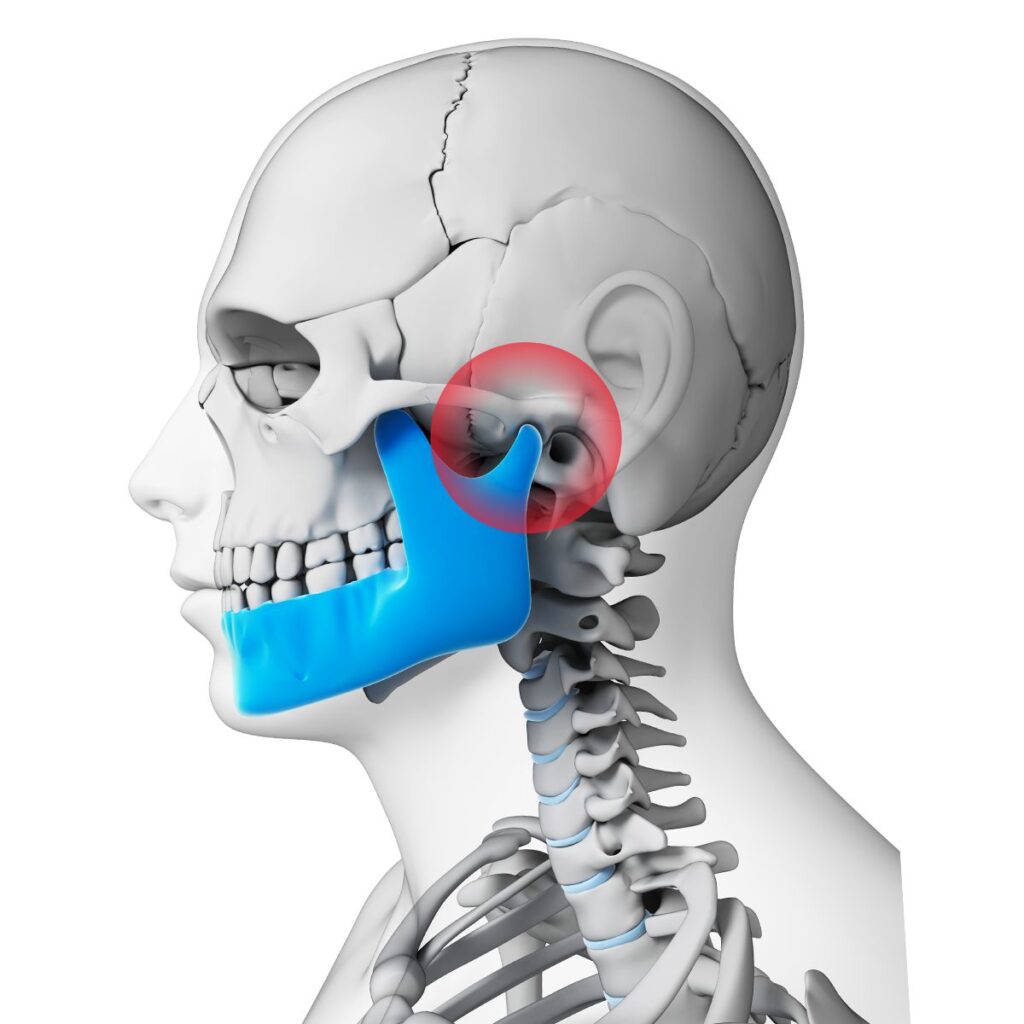
What Is TMJ Joint? Complete Guide to Jaw Pain, Symptoms & Treatment 2026
Have you ever experienced jaw pain while chewing, heard a clicking sound when opening your mouth, or felt stiffness around your jaw? These symptoms may be related to the TMJ joint, one of the most important joints in the human body.
The TMJ joint plays a vital role in everyday activities such as chewing, speaking, and swallowing. When the TMJ joint does not function properly, it can lead to pain, stiffness, and difficulty opening or closing the mouth.
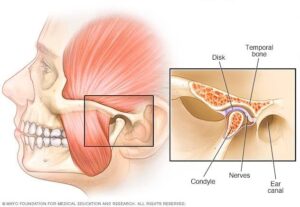
The temporomandibular joint (TMJ) connects your lower jaw (mandible) to the skull and allows movements such as talking, chewing, yawning, and swallowing. Problems affecting this joint are known as TMJ disorders (TMD) and can cause pain, discomfort, and difficulty in jaw movement.The temporomandibular joints, also known as the TMJ, are the two joints that connect your lower jaw to the skull.Your TMJs are located on both sides of your face, just in front of your ears. More specifically, these joints slide and rotate in front of each ear, and consist of the lower jaw and temporal bone of the skull.
The TMJs are amongst the most complex joints in the body. These joints along with several muscles allow the lower jaw to move up and down, side to side and forward and back. When the joints, ligaments and muscles are properly aligned, actions such as chewing, talking, yawning and swallowing take place.
However, when these structures are not aligned or synchronized in movements, it will result in pain and/or impaired function, leading to temporomandibular disorders (TMD).
Understanding the cause of a TMJ joint disorder is important because early diagnosis can prevent worsening symptoms and improve jaw function.
TMJ TREATMENT
In this era of modern medicine, a wide variety of TMJ treatment options are available all around the world. Your healthcare provider will figure out the best treatment based on:
– How old you are
– Your overall health and medical history
– How well you can handle specific medicines, procedures or therapies
– How long the condition is expected to last
– Your comfort and preference
Treatment options may includes:
1. SELF-CARE
– Rest the muscles and joints by eating soft foods and avoiding clenching or grinding of teeth. Practice the rest jaw position of : “Lips Together Teeth Apart”.
– Avoid opening your mouth too wide, particularly during yawning and dental procedures.
– Apply cold for severe pain for 10 mins; this is for new injuries of less than 72 hrs.
– Apply moist heat using a wet hot towel for 20 mins to promote healing by increasing the blood flow to the injured area. This is for pain lasting longer than 72 hrs.
– Massage the jaw and muscles above the ear to help with muscle relaxation. Practice stress reduction and eat well as good nutrition promoted joint and muscle healing.
Many patients with mild TMJ joint pain experience significant improvement by following these self-care measures consistently.

2. MEDICATION
– Pain relievers and anti-inflammatories are often prescribed by doctors to relieve TMJ pain, for eg Flexon MR.
– Tricyclic antidepressants in low doses are sometimes used for pain relief, bruxism control and sleeplessness.
– Muscle relaxants are used for a few days or weeks to relieve pain caused by muscle spasms
Medications are often recommended as part of a comprehensive TMJ treatment plan to reduce pain and inflammation.

3. THERAPIES
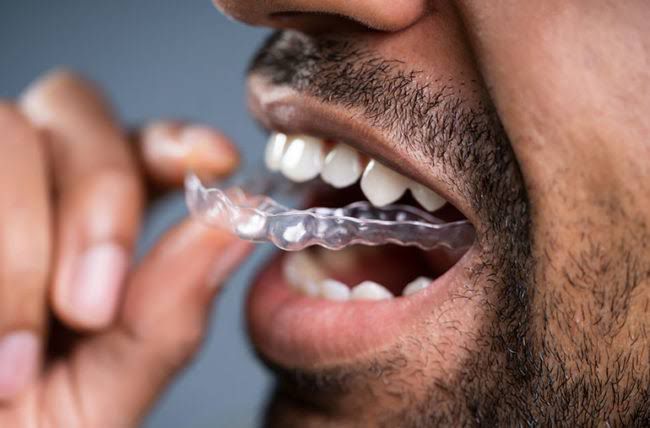
– Oral splints or mouth guards inserted over teeth have been beneficial to people with jaw pain.
– Physical therapy along with exercises is done to stretch and strengthen the jaw muscles
– Counseling and education can help you understand the factors and behavior that may aggravate your pain, so you can avoid them. Examples include teeth clenching, leaning on your chin and biting finger nails
Physical therapy and oral appliances remain among the most commonly recommended TMJ treatment options worldwide.
4. SURGICAL OR OTHER PROCEDURES
Surgical intervention is usually considered only when conservative TMJ treatment methods fail to provide adequate relief.
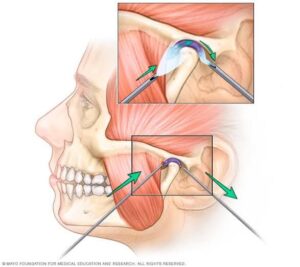
– Arthrocentesis is a minimally invasive procedure that involves insertion of small needles into the joint so that fluid can can be irrigated to remove debris.
– Corticosteroid injections into the jaw muscles may relieve pain in some people.
– TMJ arthroscopy can be effective for treating various types of TMDs. A small thin tube (cannula) is placed into the joint space, an arthroscope is inserted and small surgical instruments are used for surgery.
– Modified condylotomy involves surgery on the lower jaw only. It may be helpful for treatment of pain and if jaw locking is experienced.
– Open joint surgery is suggested if the pain does not resolve with conservation treatments and it is caused by a structural problem in the joint.
However, this treatment involves more risks than other procedures, hence the pros and cons must be discussed with the doctor thoroughly.
The TMJ joint is one of the most important and complex joints in the human body. Problems affecting the TMJ joint can lead to pain, clicking sounds, jaw locking, headaches, and difficulty chewing. Fortunately, several TMJ treatment options are available, ranging from self-care and medications to advanced surgical procedures. If you experience persistent jaw pain or difficulty opening your mouth, consult a dentist or TMJ specialist for proper evaluation and personalized TMJ treatment.
Missing teeth and bite problems can sometimes contribute to stress on the TMJ joint. Read more about Dental Implants in Delhi and how they help restore proper chewing function.