
Is Cap Necessary After RCT? 5 Important Facts You Must Know
November 13, 2021
Bad Breath: Shocking Reasons Your Mouth Smells Bad
April 6, 2022
Step by step root canal treatment(RCT)
Painless Root Canal Treatment is one of the most effective ways to save an infected tooth and eliminate dental pain. Many patients believe that root canal treatment is painful, but modern technology and local anaesthesia have made the procedure comfortable and predictable.
First of all, those who do not know about root canal treatment or RCT should understand that RCT does not cause pain. Its purpose is to remove the cause of pain. Due to advancements in modern dental technology, root canal treatment has become much more comfortable than before.
If you want to learn clinical skills then please visit GDS Dental
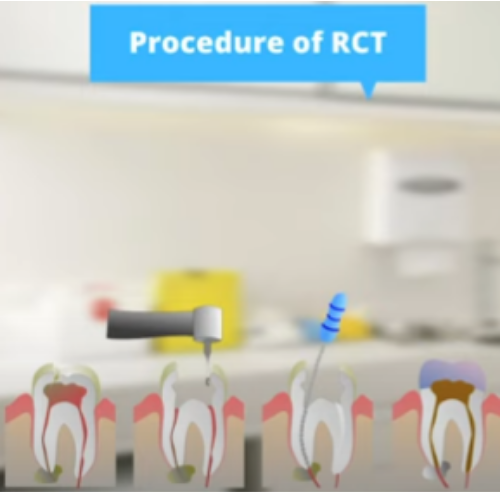
Now lets see how RCT is done :-
- Diagnosis in Painless Root Canal Treatment:- first of all doctors find the cause of pain I.e. they check the teeth from all its sides and take x-rays or by checking the sensitivity of it by putting hot or cold water on it. By doing this doctors find the actual cause of the pain, after this doctors decides if the tooth can be saved or not. At this stage doctors check the difficulty level of the treatment. This means to check that if the infection is present in the roots of the teeth and if so then how much time does it take to treat or how much is the tooth broken or whether the tooth is damaged severely or how much longer can we preserve the tooth from further damage.
Doctors always explains the patient whatever is being seen in the report and never lie to them. They tell the actual conditions of their teeth. Doctors always keep a transparency to their patients. If doctors can’t save the teeth then they never force the patient for RCT. RCT is only done if the patient agrees to it and gives his/her consent.
Painless Root Canal Treatment: Step-by-Step Procedure
1. Local Anaesthesia
Before starting the procedure, the dentist numbs the tooth and surrounding area with local anaesthesia. This helps make the treatment comfortable and pain-free for the patient.
2. Cleaning the Infected Canal
After the tooth becomes numb, the dentist creates a small opening in the tooth and removes the infected pulp. The canals are cleaned properly using special instruments and disinfecting solutions.
3. Shaping the Root Canals
Once the infected tissue is removed, the root canals are shaped so that they can be filled properly. This step helps remove bacteria and prepares the tooth for sealing.
4. Filling and Sealing
After cleaning and shaping, the canals are filled with a biocompatible material called gutta-percha. This seals the tooth and prevents bacteria from entering again.
5. Dental Crown After RCT
In most cases, a dental crown is recommended after RCT to protect the tooth from fracture. A crown helps restore chewing strength, function, and long-term durability.
A properly restored tooth after Painless Root Canal Treatment can function normally for many years.
Is RCT Painful?
Many patients avoid treatment because they think RCT is painful. In reality, modern Painless Root Canal Treatment is done under anaesthesia and is designed to remove pain, not cause pain. Mild discomfort after treatment is normal and can be managed with medicines prescribed by the dentist.
When Do You Need Root Canal Treatment?
You may need RCT if you have severe tooth pain, swelling, sensitivity to hot or cold, pain while chewing, or a deep cavity. Early diagnosis can help save the natural tooth and prevent infection from spreading.
If you want to understand symptoms, cost, and procedure in detail, read our guide on Root Canal Treatment in Delhi.
Conclusion
Painless Root Canal Treatment is a safe and effective way to save an infected tooth. With proper diagnosis, modern instruments, local anaesthesia, canal cleaning, sealing, and crown placement, RCT can help restore your tooth and protect it for many years.
If you are experiencing tooth pain or infection, Painless Root Canal Treatment may help save your natural tooth and eliminate discomfort.